
Everybody loves the workout. Nobody loves the recovery. But here’s the truth I share with my team: the workout is where you challenge your body — recovery is where your body actually gets stronger.
When you train, you ask your muscles to work hard. Little by little, that work adds up, and your body needs time and the right fuel to bounce back. Skip the recovery and you end up tired, sore, and stuck at the same place week after week. Give your body what it needs after the work, and the next session feels better than the last one.
So what does good recovery actually look like? It’s simpler than people think.
Rest is part of the plan, not a break from it. A rest day isn’t a lazy day. It’s the day your body rebuilds. If you’re training hard most days, give yourself at least one or two days a week where you back off and let your body catch up.
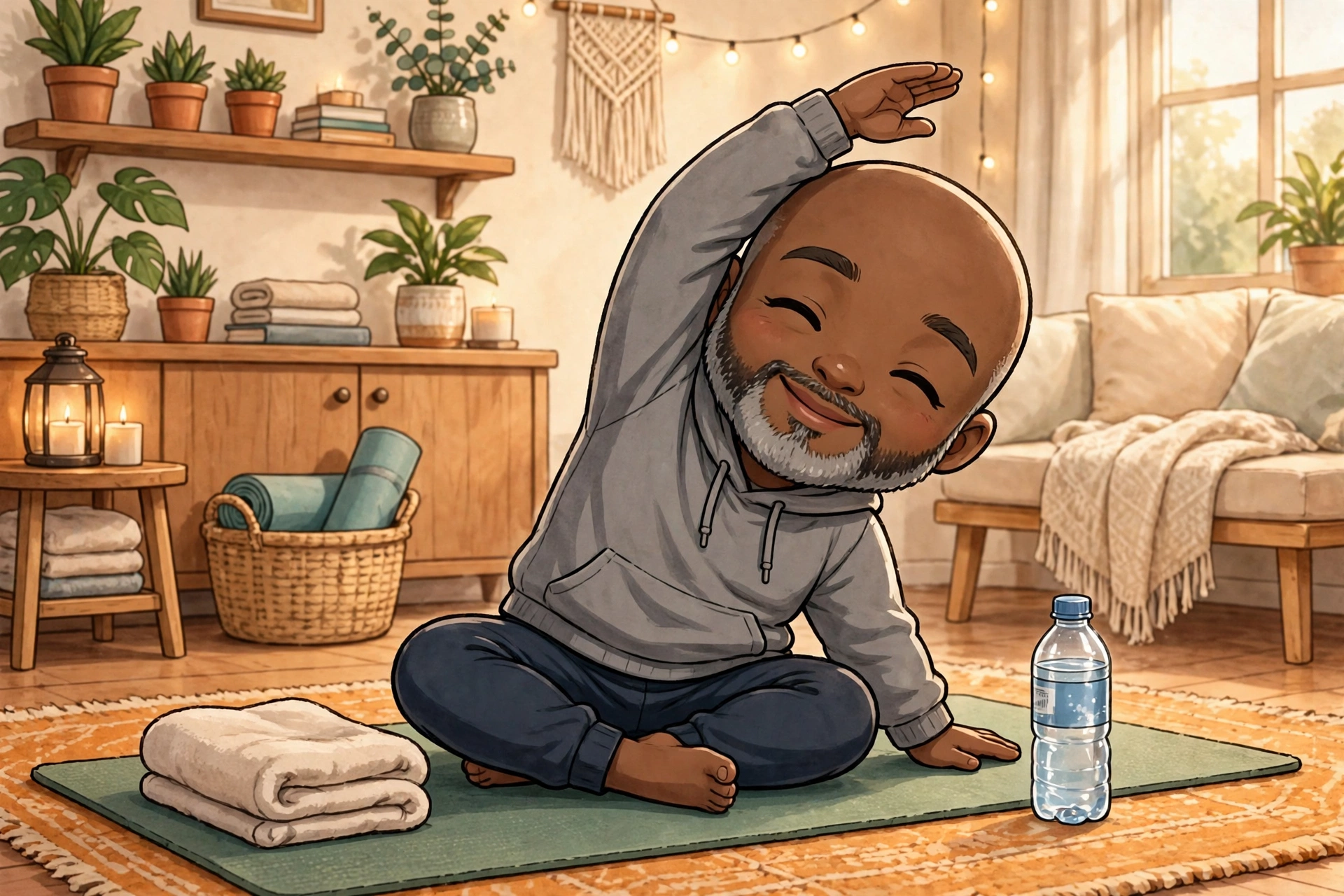
Keep moving, just easier. On a rest day, a slow walk, some light stretching, or an easy bike ride keeps blood moving and helps the stiffness work itself out. You don’t have to sit still to recover — gentle movement is recovery.
Eat like it matters. After a workout, your body is ready for real food. A plate with good protein, some real carbohydrates like sweet potatoes or rice, and plenty of vegetables gives your body the building blocks it needs. That’s the whole reason protein gets talked about so much — it’s the material your body uses to rebuild.
Drink your water. I talked about hydration yesterday for a reason — it matters even more after you train. Water helps move nutrients where they need to go and helps your body do its repair work. Keep the bottle close after a workout, not just during it.
Sleep is your best recovery tool. Most of the rebuilding happens while you’re asleep. A solid night’s sleep after a hard training day is worth more than any fancy recovery gadget on the market. If you’re short on sleep, you’re short on recovery — it’s that simple.
Listen to the signals. Soreness that fades in a day or two is normal. Feeling worn down, sleeping poorly, or dreading a workout you usually enjoy — that’s your body asking for an easier day. The strongest people I know aren’t the ones who never rest. They’re the ones who know when to push and when to back off.
Here’s my challenge for you this week: plan your rest day like you plan your workout. Put it on the calendar. Walk, stretch, eat well, drink your water, and get to bed on time. Then notice how your next workout feels.
Train hard. Recover harder. That’s how progress actually happens.
— Eric Carter, BigEasy, Team Diamond Breakers
These statements have not been evaluated by the FDA. This product is not intended to diagnose, treat, cure or prevent any disease.
Tell Eric what interests you. Leave your details first, then continue to the presentation, store, or team information.