
RhinAer Treatment
A runny nose that will not stop is treatable.
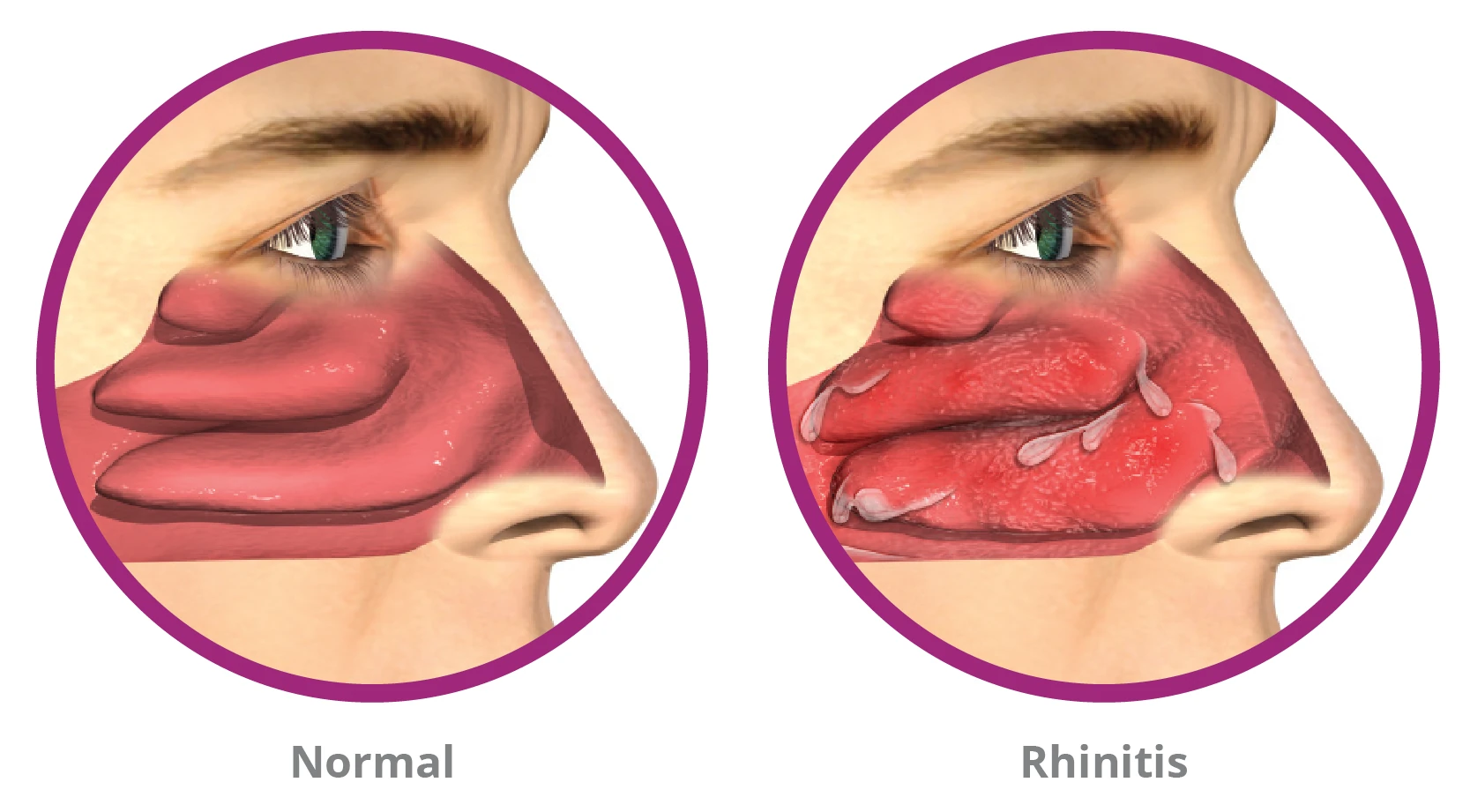
Persistently runny nose, post-nasal drip, congestion, itching and sneezing: that is chronic rhinitis, and for many patients it is driven by abnormal signals in the nose. RhinAer disrupts those signals, in the office, with no incisions.
The Symptoms
Symptoms of chronic rhinitis include.
If any or all of those symptoms sound familiar, you may be one of the millions of people living with chronic rhinitis. Until now, treatment often meant managing symptoms with medications and sprays. For many patients, these symptoms may be caused by abnormal signals in the nose. Now, your physician can offer you RhinAer to disrupt these signals and provide lasting relief.
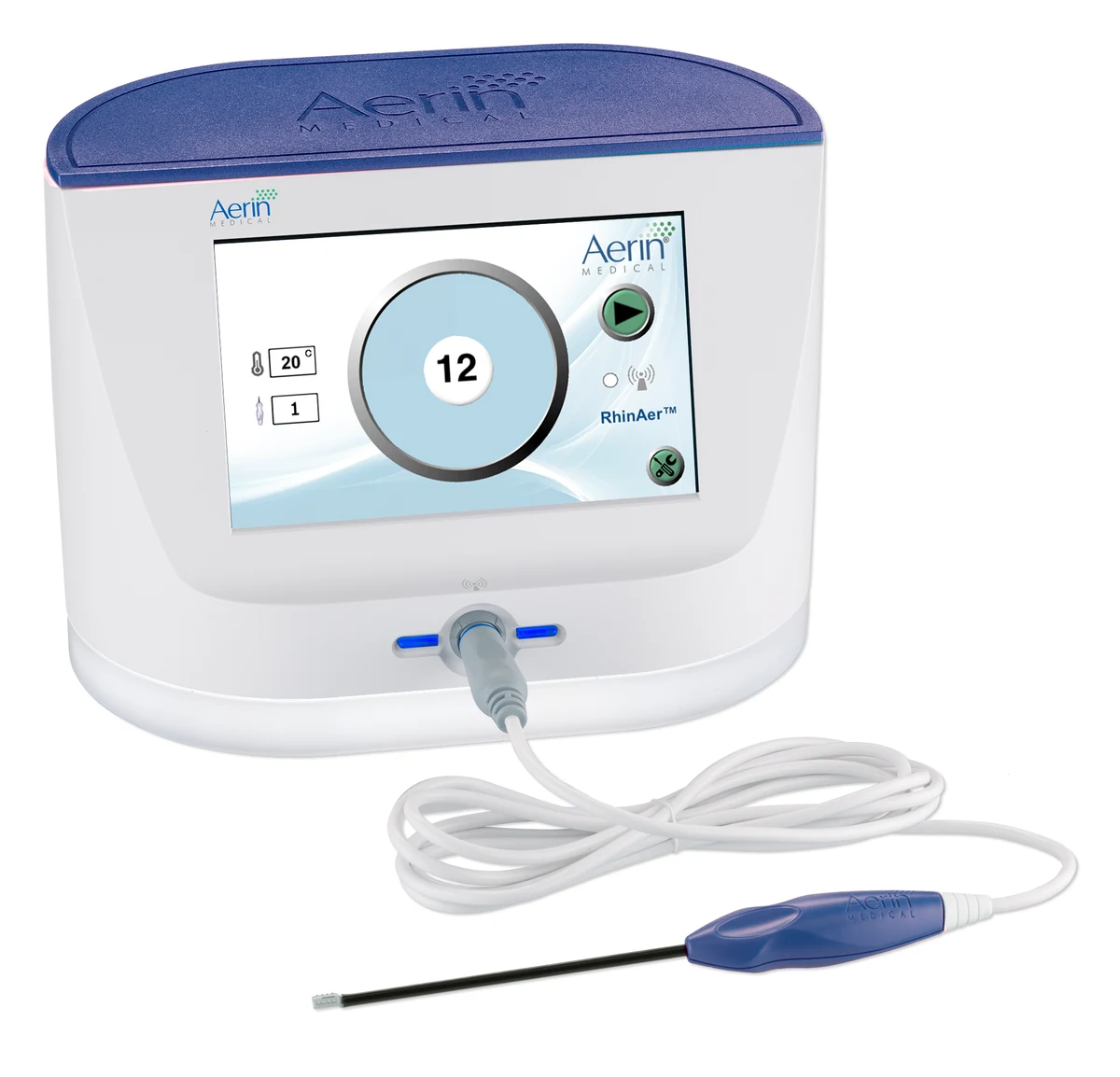
RhinAer applies radiofrequency energy to the overactive nerves at the back of the nose to reduce excessive mucus production. The procedure is performed in the office and does not alter normal nasal structure. Patients typically return to normal activity on the same day.
Lasting relief
RhinAer provides lasting relief of symptoms including runny nose, post-nasal drip and chronic cough, as reported in its clinical study.
Non-invasive solution
Minimal discomfort, no incisions, and the treatment can be performed in our office.
Live better
In a clinical study, patients treated with RhinAer reported significant improvements in their symptoms and quality of life.
Get Started
Tired of managing symptoms?
Ask about RhinAer at your consultation and find out whether your rhinitis is signal-driven.